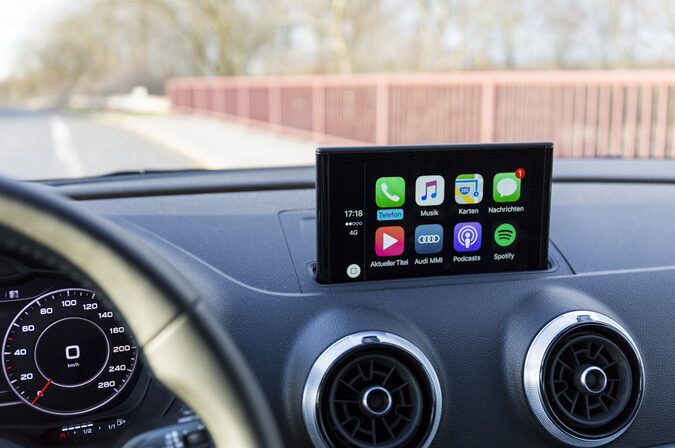
Modern vehicles are no longer purely mechanical machines. For decades, cars relied mainly on physical components such as engines, gears, and hydraulic systems. While these parts still play an important role, software now controls many essential functions. Advances in computing technology have changed how vehicles operate. Electronic systems monitor performance, adjust driving conditions, and support safety features. Many of these tasks happen automatically through onboard software programs. This shift has transformed the automotive industry. Engineers now combine traditional mechanical design with complex digital systems. As a result, vehicles have become more efficient, responsive, and intelligent.
The Rise of Electronic Control Systems
Electronic control units are at the center of modern automotive software. These small computers manage different systems throughout the vehicle. A single car may contain dozens of them. Each control unit focuses on a specific function. One may regulate engine performance, while another handles braking or steering assistance. These systems communicate with each other through internal networks. Sensors provide real-time information about speed, temperature, pressure, and other conditions. The control units analyze this data and make adjustments within milliseconds. For example, software can regulate fuel injection to improve efficiency. It can also adjust engine timing to reduce emissions.
Advanced Safety and Driver Assistance

Safety technology has advanced significantly in modern vehicles. Many safety features depend heavily on software systems. Driver assistance technologies rely on cameras, radar, and sensors. These devices collect environmental data around the vehicle. Software then processes this information to support safe driving decisions. Systems such as automatic emergency braking analyze the distance between vehicles. If a collision risk is detected, the system can apply the brakes quickly. Lane-keeping assistance works in a similar way. Cameras monitor road markings, and software gently adjusts steering to help maintain lane position. These systems react faster than human reflexes in many situations. By continuously monitoring the driving environment, software helps reduce the likelihood of accidents.
Engine Efficiency and Environmental Control
Software also plays a key role in improving fuel efficiency and reducing emissions. Modern engines depend on digital management systems that monitor combustion and fuel delivery. Sensors track variables such as oxygen levels, air intake, and engine temperature. The software analyzes this data and adjusts engine operation accordingly. This level of control was difficult to achieve with purely mechanical systems. Software can make rapid adjustments to maintain efficient combustion under different driving conditions. Environmental regulations have encouraged this technological shift. Automakers use software to ensure vehicles meet strict emissions standards. These digital systems help maintain engine performance while reducing environmental impact. The combination of mechanical engineering and software design creates more efficient vehicles overall.
Connectivity and Vehicle Communication
Modern vehicles are increasingly connected to digital networks. Software allows cars to communicate with smartphones, navigation systems, and cloud services. Infotainment systems rely heavily on software platforms. Drivers can access navigation, music streaming, and communication tools directly through the vehicle interface. Some vehicles also receive over-the-air software updates. These updates improve system performance or add new features without requiring a visit to a service center. Connectivity extends beyond entertainment. Navigation systems use real-time traffic data to suggest efficient routes. Software integration creates a driving experience that is more interactive and responsive. The vehicle becomes part of a broader digital ecosystem.
Software in Electric and Hybrid Vehicles
Electric and hybrid vehicles depend heavily on software for power management. Unlike traditional engines, electric powertrains require precise control of battery systems and energy flow. Software regulates battery charging, temperature control, and power distribution between components. These systems help maintain battery efficiency and extend driving range. Regenerative braking provides another example. When the vehicle slows down, the software directs the electric motor to convert kinetic energy back into stored battery power. Managing these processes requires constant monitoring and adjustment. Digital systems allow electric vehicles to operate smoothly while maximizing energy use.
The Future of Automotive Technology
The automotive industry continues to evolve as software capabilities expand. Vehicles are becoming increasingly intelligent through advanced computing systems. Autonomous driving research relies heavily on software development. Artificial intelligence programs analyze sensor data and make real-time driving decisions. While full self-driving vehicles are still under development, many modern cars already include partial automation features. Adaptive cruise control and automated parking are examples. Manufacturers are investing heavily in digital engineering. Software development teams now work alongside mechanical engineers during vehicle design. This collaboration helps ensure that both physical components and digital systems function together effectively. As vehicles become more connected and automated, software will remain a critical part of transportation technology.
Modern vehicles depend more on software than ever before. While mechanical systems still form the foundation of automotive design, digital technology now controls many essential functions. Electronic control units manage engine performance, safety features, and energy efficiency. Sensors and onboard computers allow vehicles to respond quickly to changing conditions. Software also supports connectivity, driver assistance, and electric vehicle performance. These capabilities have transformed how cars operate and how drivers interact with them. The integration of software and mechanics represents a significant shift in automotive engineering. As technology continues to advance, software will play an even greater role in shaping the future of transportation.

 One of the most affordable exotic cars on the market is the Maserati GranTurismo. This car was first introduced in 2007 and quickly became one of the most popular cars in its class. The GranTurismo has a starting price of around $100,000, which is a bargain compared to other exotic cars. The GranTurismo is affordable because it uses a Ferrari engine that is not as powerful as the ones used in other exotic vehicles. Nevertheless, the GranTurismo is still a fast car, and it can reach speeds of up to 200 miles per hour.
 We can’t talk about exotic cars without mentioning Lamborghini. The LP560 is one of the most affordable Lamborghinis, with a starting price of around $225,000. The LP560 is powered by a 5.2L V-10 engine that produces up to 560 horsepower. The performance is top-notch, and you know why. But what we want to highlight about this car today is the interior. The LP560 has a beautifully designed interior that is comfortable and luxurious. The seats are upholstered in leather, and the dashboard is carbon fiber.