

Ants may be tiny, but when it comes to intelligence, they’re giants of the insect world. Their ability to work collectively, solve complex problems, and adapt to their environment has fascinated scientists for years. So, how intelligent are ants? Now, it’s not just biologists paying attention—car engineers and designers are increasingly studying ants for insights into efficiency, navigation, and adaptive design. What makes ants so smart, and why is the auto industry looking to them for innovation?
The Collective Genius of Ant Colonies
Individually, an ant might not seem impressive. But as a group, ants display remarkable intelligence. Colonies operate with complex social structures and assign roles—from foragers to soldiers—based on need, not hierarchy. They communicate using pheromones to coordinate movements, respond to threats, and explore new territory. This decentralized system means that even if one part of the colony fails, the rest can adapt and continue to function. This type of “swarm intelligence” has caught the eye of engineers working on autonomous systems. Instead of relying on one central command system, a vehicle or fleet could be programmed to adapt and respond like an ant colony—quickly and efficiently.
Navigation and Efficiency

Ants are masters of navigation, using a combination of scent trails, environmental cues, and internal “step counters” to find their way. Some desert ant species can travel long distances across featureless terrain and still return to their nest with pinpoint accuracy. These incredible abilities are now being studied for self-driving cars and drone navigation systems. For example, just as ants optimize their routes over time, autonomous vehicles could learn and improve route planning by mimicking ant algorithms. The idea is to create cars that not only move independently but also work together to reduce traffic congestion and increase fuel efficiency—much like how ants find the shortest paths to food sources.
Damage Control and Resilience
Ant colonies are built to survive. When obstacles arise, ants reroute, rebuild, or shift their strategy without chaos or breakdown. In the automotive world, this resilience is inspiring new approaches to vehicle safety and fault-tolerant design. Imagine a car that can detect a malfunction and reroute power or adjust its operation to avoid danger—similar to how ants adapt to a blocked trail.
Design Inspired by Nature

Beyond behavior, ants are influencing physical design too. Engineers are exploring lightweight, flexible vehicle structures based on the segmentation of an ant’s body. These designs could improve shock absorption, aerodynamics, and energy use. Bio-inspired materials and architecture are paving the way for smarter, more efficient vehicles.
Ants may be small, but their complex behaviors and problem-solving skills are opening big doors in automotive innovation. From swarm intelligence to adaptive navigation and resilient design, these insects are helping engineers rethink how vehicles move, think, and respond. As nature continues to inspire technology, it’s clear that looking down—at the world of ants—might just be the next step forward in smart mobility.

 Before you set off on your road trip, check your car’s oil and tire pressure. Check the oil cap for any dirt or grime that may have built up over time, and top off the levels if needed. Additionally, check your tires for any signs of wear and tear or bald spots. Ensure they are inflated to their recommended pressure levels; this helps fuel efficiency and ensures a smoother, safer ride.
 Road trips come with their own risks, so it is essential to be prepared in an emergency. Have your car serviced before you leave, ensuring all belts and hoses are in good condition. Pack extra fuel and a spare tire in case of an emergency.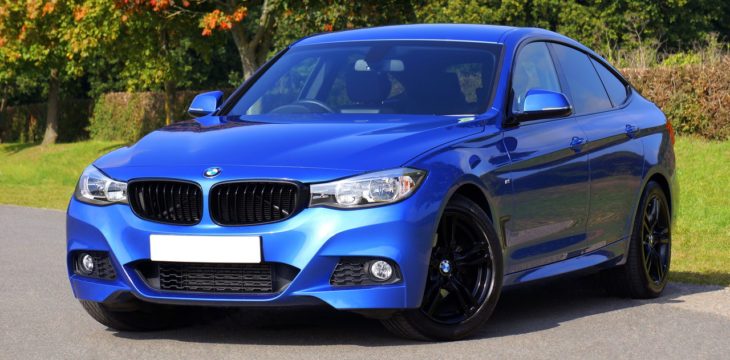
 The first reason why people with used vehicle get the product is peace of mind. The product means that one is simply protected when unwanted situations happen to the car that one just bought. This way, they do not need to spend more cash on things they should pay when the vehicle breaks down. Many people expect high-quality products when they purchase used cars. Although they realize that, at some points, the quality may decrease because of some reasons. A smart buyer is the one who understands all the risks and does something to prevent them.
 One primary reason for requiring an international letter is to verify a traveler’s driving credentials. This document serves as a formal confirmation of your driving license status and validity from your home country. Countries with different driving regulations and standards need a clear understanding of your driving background to ensure you are qualified to drive safely within their borders. The international letter assures rental agencies and local authorities that your driving credentials are genuine and valid.