Motors Media Group Auto Different Car Parts That Need Regular Maintenance

Different Car Parts That Need Regular Maintenance

Welcome to the fast-paced world of automobiles, where sleek designs and powerful engines take center stage. While we often marvel at the exterior beauty and cutting-edge technology of our beloved cars, it’s important not to overlook the vital importance of regular maintenance. Like any well-oiled machine, cars require routine care to ensure optimal performance and longevity. In this blog post, we will dive into some key car parts that demand your attention regarding maintenance. From the heart-pounding engine to the reliable brakes and everything in between, let’s explore these essential components that keep your vehicle running smoothly on the open road. So buckle up and prepare for a fascinating journey through different car parts that deserve your TLC.

Engine

engine The engine – the powerhouse of your car, is responsible for generating that thrilling burst of acceleration and raw power. Regular maintenance’s essential to keep this vital component in top shape. First and foremost, regularly checking and changing the engine oil is crucial. Dirty or old oil can hinder performance and cause unnecessary wear on internal components. Additionally, keeping an eye on fluid levels such as coolant and transmission fluid ensures smooth operation while preventing overheating or gear-shifting issues. During car maintenance, your sump plug is checked and cleaned. However, if you cannot bring your car to a shop, consider purchasing sump plug washers to make cleaning easier.

Brakes

Brakes are one of the most critical components of any vehicle, ensuring safety on the road. Regular maintenance and inspection of your brakes is essential to keep them in optimal working condition. It’s important to check your brake pads regularly. These wear down over time and must be replaced when they become too thin. Squeaking or grinding noises when you apply the brakes could indicate that the pads are worn and need immediate attention. In addition to checking the brake pads, inspecting the brake rotors or discs is crucial. Over time, these can become warped or worn out, affecting their ability to provide proper stopping power.

Exhaust System

manThe exhaust system is an essential component of your car that requires regular maintenance to ensure optimal performance. It plays a crucial role in reducing harmful emissions and controlling noise levels. One important part of the exhaust system is the catalytic converter, which helps reduce pollution by converting harmful gases into less harmful substances. Over time, it can become clogged or damaged, leading to decreased efficiency and increased emission levels.

Regular inspections and cleaning can help prevent these issues. Another component that needs attention is the muffler, which helps muffle the sound produced by the engine. A damaged or worn-out muffler can result in excessive noise, affecting your driving experience and potentially violating local noise regulations.

Suspension and Steering

When it comes to car maintenance, several parts require regular attention. One area often overlooked is the suspension and steering system. These components are crucial in providing a smooth ride and ensuring your safety on the road. The suspension system consists of various parts such as shocks, struts, control arms, and springs. Over time, these components can wear out or become damaged due to normal wear and tear or rough driving conditions. It’s important to have them inspected regularly by a qualified mechanic who can identify any issues before they escalate into major problems. The steering system includes components like the power steering pump, rack and pinion, tie rods, and ball joints.

Proper maintenance of various car parts is vital for optimum performance and durability of your vehicle. Ignoring regular check-ups may lead to costly repairs down the line or even compromise your safety while driving. By taking the time to inspect these different car parts regularly and addressing any issues promptly through professional assistance if required allows you to enjoy a smoother driving experience while extending the lifespan of your beloved automobile! So remember – don’t neglect those routine maintenance tasks! Your car will thank you for it in return.

Related Post

engineers

How Intelligent Are Ants? And Why Car Engineers Are Paying AttentionHow Intelligent Are Ants? And Why Car Engineers Are Paying Attention

Ants may be tiny, but when it comes to intelligence, they’re giants of the insect world. Their ability to work collectively, solve complex problems, and adapt to their environment has fascinated scientists for years. So, how intelligent are ants? Now, it’s not just biologists paying attention—car engineers and designers are increasingly studying ants for insights into efficiency, navigation, and adaptive design. What makes ants so smart, and why is the auto industry looking to them for innovation?

The Collective Genius of Ant Colonies

Individually, an ant might not seem impressive. But as a group, ants display remarkable intelligence. Colonies operate with complex social structures and assign roles—from foragers to soldiers—based on need, not hierarchy. They communicate using pheromones to coordinate movements, respond to threats, and explore new territory. This decentralized system means that even if one part of the colony fails, the rest can adapt and continue to function. This type of “swarm intelligence” has caught the eye of engineers working on autonomous systems. Instead of relying on one central command system, a vehicle or fleet could be programmed to adapt and respond like an ant colony—quickly and efficiently.

Navigation and Efficiency

navigation

Ants are masters of navigation, using a combination of scent trails, environmental cues, and internal “step counters” to find their way. Some desert ant species can travel long distances across featureless terrain and still return to their nest with pinpoint accuracy. These incredible abilities are now being studied for self-driving cars and drone navigation systems. For example, just as ants optimize their routes over time, autonomous vehicles could learn and improve route planning by mimicking ant algorithms. The idea is to create cars that not only move independently but also work together to reduce traffic congestion and increase fuel efficiency—much like how ants find the shortest paths to food sources.

Damage Control and Resilience

Ant colonies are built to survive. When obstacles arise, ants reroute, rebuild, or shift their strategy without chaos or breakdown. In the automotive world, this resilience is inspiring new approaches to vehicle safety and fault-tolerant design. Imagine a car that can detect a malfunction and reroute power or adjust its operation to avoid danger—similar to how ants adapt to a blocked trail.

Design Inspired by Nature

ants

Beyond behavior, ants are influencing physical design too. Engineers are exploring lightweight, flexible vehicle structures based on the segmentation of an ant’s body. These designs could improve shock absorption, aerodynamics, and energy use. Bio-inspired materials and architecture are paving the way for smarter, more efficient vehicles.

Ants may be small, but their complex behaviors and problem-solving skills are opening big doors in automotive innovation. From swarm intelligence to adaptive navigation and resilient design, these insects are helping engineers rethink how vehicles move, think, and respond. As nature continues to inspire technology, it’s clear that looking down—at the world of ants—might just be the next step forward in smart mobility.

fancy white car

Features Of The Cheap Petrol Remote Control CarsFeatures Of The Cheap Petrol Remote Control Cars

The advancement in technology coupled with the innovative experts in the car industry has seen the development of affordable Petrol RC cars for your fun and sporting activities. Their design allows them to be furious and swift on the road, leaving you with a spectacular experience.

The petrol remote control cars have grown in popularity since the last decade. The Petrol RC cars are currently the best cars designed to make you have the greatest time ever on the road.

Features

Appearance

They feature as the biggest RC cars available on the market now coming in a fifth and a car quarter scale sizes. They are considerably large measuring more than two feet long. The greatest characteristic regarding their outlook is the fact that petrol RC cars are cool indeed. They are also light in weight, which is ideal for racing sport.

It does not matter whether you have a track car or a buggy, the design and size of petrol RC cars are just perfect for your competition, and their noise is capable of making your heartbeat rising even more. The interior appearances of these gaming machines have shocks, carburetor, and gearbox, which is an arrangement similar to any other standard car designed for the road.

Engine

What makes a car great is the engine because the engine determines the power and energy that drives any locomotive. Alongside their perfect appearance, cheap petrol RC cars have the most efficient and greatest engine performance that distinguishes them from other cars whose engines are not working well.

Many people prefer these cars simply because of their incredible engine performance, which is powered by two potent stroke engine comparable to the one small motorbikes are using. The model of the engine gives them much speed and strength necessary for a racing competition, as they can go at a speed of more than 50mph. Moreover, they are capable of handling tough terrain. Thus, you do not have to take them off the road.

Advantages

painted car The most significant benefit of using cheap petrol RC cars is their cost. It is cheaper to buy them than any other nitro RC cars despite the rising prices of petrol on the market.

Other than affordability, cheap petrol RC cars come with low maintenance cost because their hop ups and parts are available in plenty lowering the prices. The next advantage is the fun and entertainment you get by using these cars; their unique appearance, power, and speed will make enjoy long hours of fun, as no other car would make you.

Maintenance

Besides having their spear parts on the market in large numbers, maintaining and operating petrol RC cars is very easy because weather does not affect them as it does to other RC cars.

man

Why Modern Vehicles Depend More on Software Than MechanicsWhy Modern Vehicles Depend More on Software Than Mechanics

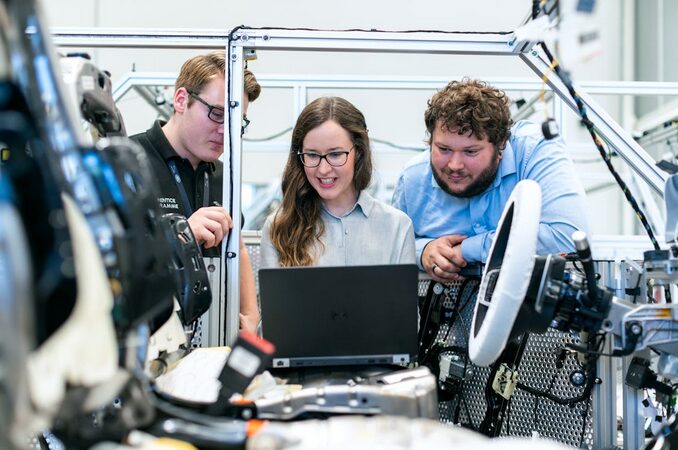
Modern vehicles are no longer purely mechanical machines. For decades, cars relied mainly on physical components such as engines, gears, and hydraulic systems. While these parts still play an important role, software now controls many essential functions. Advances in computing technology have changed how vehicles operate. Electronic systems monitor performance, adjust driving conditions, and support safety features. Many of these tasks happen automatically through onboard software programs. This shift has transformed the automotive industry. Engineers now combine traditional mechanical design with complex digital systems. As a result, vehicles have become more efficient, responsive, and intelligent.

The Rise of Electronic Control Systems

Electronic control units are at the center of modern automotive software. These small computers manage different systems throughout the vehicle. A single car may contain dozens of them. Each control unit focuses on a specific function. One may regulate engine performance, while another handles braking or steering assistance. These systems communicate with each other through internal networks. Sensors provide real-time information about speed, temperature, pressure, and other conditions. The control units analyze this data and make adjustments within milliseconds. For example, software can regulate fuel injection to improve efficiency. It can also adjust engine timing to reduce emissions.

Advanced Safety and Driver Assistance

man

Safety technology has advanced significantly in modern vehicles. Many safety features depend heavily on software systems. Driver assistance technologies rely on cameras, radar, and sensors. These devices collect environmental data around the vehicle. Software then processes this information to support safe driving decisions. Systems such as automatic emergency braking analyze the distance between vehicles. If a collision risk is detected, the system can apply the brakes quickly. Lane-keeping assistance works in a similar way. Cameras monitor road markings, and software gently adjusts steering to help maintain lane position. These systems react faster than human reflexes in many situations. By continuously monitoring the driving environment, software helps reduce the likelihood of accidents.

Engine Efficiency and Environmental Control

Software also plays a key role in improving fuel efficiency and reducing emissions. Modern engines depend on digital management systems that monitor combustion and fuel delivery. Sensors track variables such as oxygen levels, air intake, and engine temperature. The software analyzes this data and adjusts engine operation accordingly. This level of control was difficult to achieve with purely mechanical systems. Software can make rapid adjustments to maintain efficient combustion under different driving conditions. Environmental regulations have encouraged this technological shift. Automakers use software to ensure vehicles meet strict emissions standards. These digital systems help maintain engine performance while reducing environmental impact. The combination of mechanical engineering and software design creates more efficient vehicles overall.

Connectivity and Vehicle Communication

Modern vehicles are increasingly connected to digital networks. Software allows cars to communicate with smartphones, navigation systems, and cloud services. Infotainment systems rely heavily on software platforms. Drivers can access navigation, music streaming, and communication tools directly through the vehicle interface. Some vehicles also receive over-the-air software updates. These updates improve system performance or add new features without requiring a visit to a service center. Connectivity extends beyond entertainment. Navigation systems use real-time traffic data to suggest efficient routes. Software integration creates a driving experience that is more interactive and responsive. The vehicle becomes part of a broader digital ecosystem.

Software in Electric and Hybrid Vehicles

Electric and hybrid vehicles depend heavily on software for power management. Unlike traditional engines, electric powertrains require precise control of battery systems and energy flow. Software regulates battery charging, temperature control, and power distribution between components. These systems help maintain battery efficiency and extend driving range. Regenerative braking provides another example. When the vehicle slows down, the software directs the electric motor to convert kinetic energy back into stored battery power. Managing these processes requires constant monitoring and adjustment. Digital systems allow electric vehicles to operate smoothly while maximizing energy use.

The Future of Automotive Technology

The automotive industry continues to evolve as software capabilities expand. Vehicles are becoming increasingly intelligent through advanced computing systems. Autonomous driving research relies heavily on software development. Artificial intelligence programs analyze sensor data and make real-time driving decisions. While full self-driving vehicles are still under development, many modern cars already include partial automation features. Adaptive cruise control and automated parking are examples. Manufacturers are investing heavily in digital engineering. Software development teams now work alongside mechanical engineers during vehicle design. This collaboration helps ensure that both physical components and digital systems function together effectively. As vehicles become more connected and automated, software will remain a critical part of transportation technology.

Modern vehicles depend more on software than ever before. While mechanical systems still form the foundation of automotive design, digital technology now controls many essential functions. Electronic control units manage engine performance, safety features, and energy efficiency. Sensors and onboard computers allow vehicles to respond quickly to changing conditions. Software also supports connectivity, driver assistance, and electric vehicle performance. These capabilities have transformed how cars operate and how drivers interact with them. The integration of software and mechanics represents a significant shift in automotive engineering. As technology continues to advance, software will play an even greater role in shaping the future of transportation.

Discover more from Motors Media Group

Subscribe now to keep reading and get access to the full archive.

Continue reading